Roof Pressure Washing in Vancouver, WA
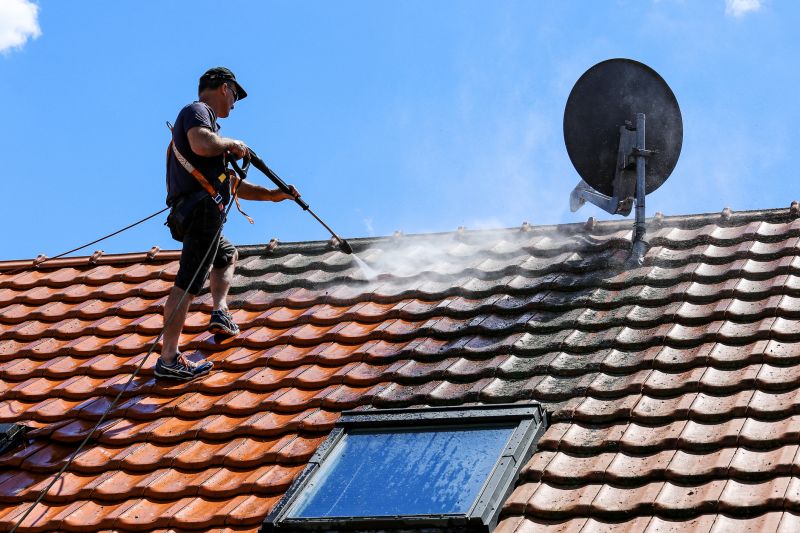
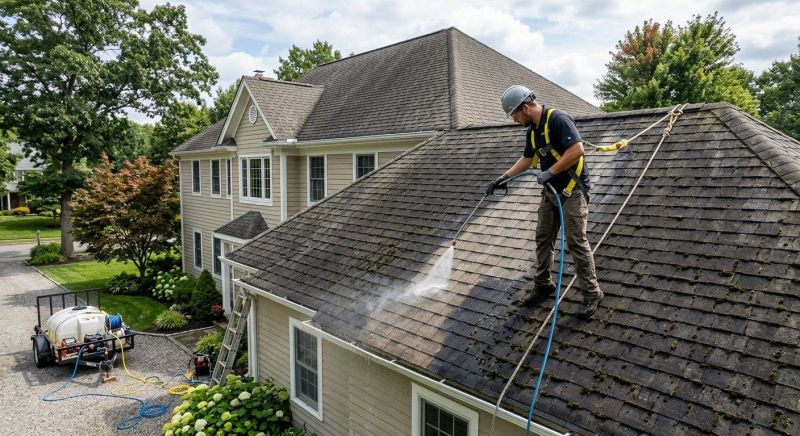
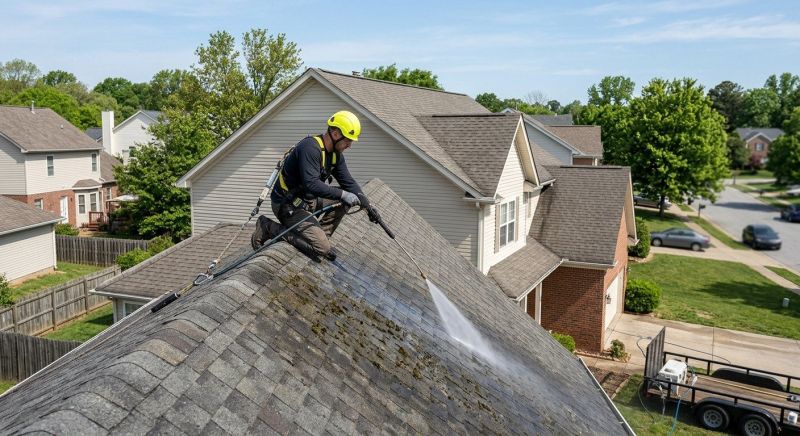
Roof pressure washing services involve the use of high-pressure water to remove dirt, algae, moss, and other buildup from roofing surfaces. This cleaning method is suitable for various types of roofs, including asphalt shingles, tile, and metal, helping to restore their appearance and extend their lifespan. Homeowners typically request this service to improve curb appeal, prevent damage caused by organic growth, and maintain the overall health of their roofing system.
Before requesting roof pressure washing, property owners should consider the roof’s material and condition, as some surfaces may require special care or alternative cleaning methods. It’s also important to ensure that the pressure used is appropriate to avoid potential damage to shingles or tiles. Clarifying whether any protective coatings or delicate features are present can help determine the best approach for effective cleaning without compromising the roof’s integrity.
Many property owners in Vancouver, WA look into Roof Pressure Washing for repairs, replacements, upgrades, and appearance-related improvements.
Roof Cleaning Benefits
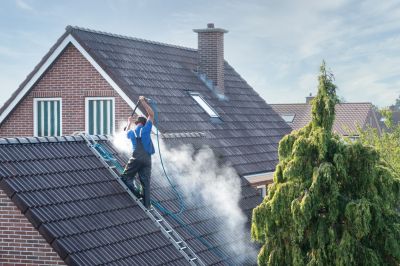
Pressure washing removes moss, algae, and dirt, restoring your roof's appearance and extending its lifespan.
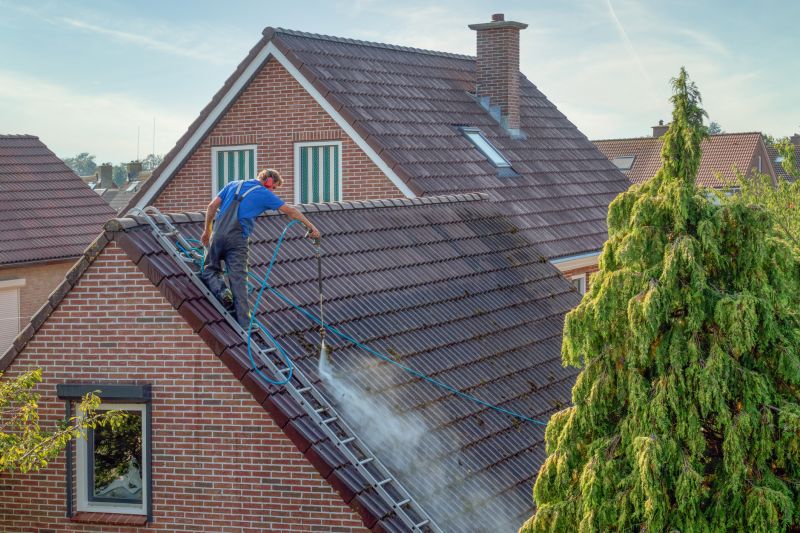
Maintenance For Home Value
Regular roof pressure washing helps maintain the curb appeal and overall value of residential properties.
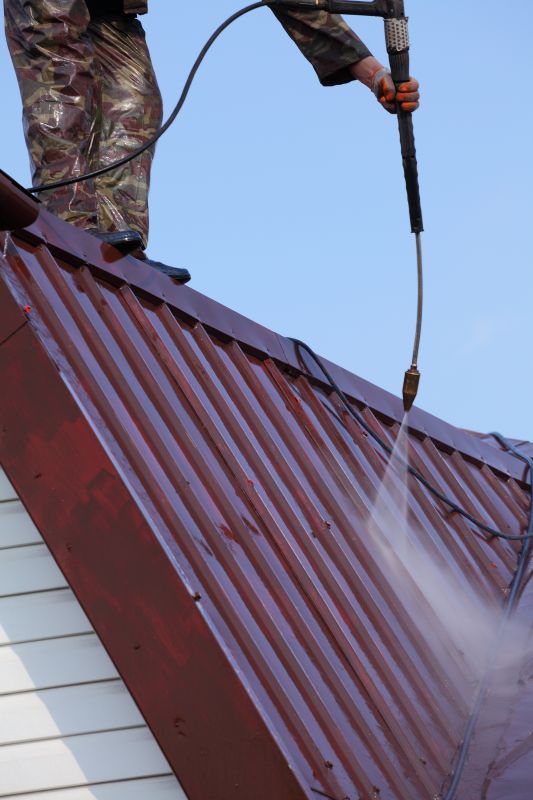
Safe And Effective Cleaning
Professional pressure washing uses techniques that effectively clean roofs without causing damage to shingles or tiles.
Roof Pressure Washing in Vancouver, WA
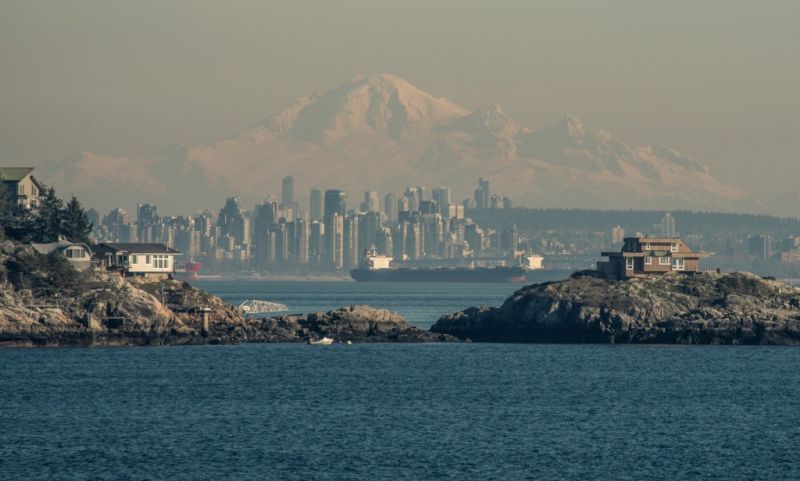
Roof pressure washing services involve the use of high-pressure water to remove dirt, algae, moss, and other buildup from roofing surfaces. This cleaning method is suitable for various types of roofs, including asphalt shingles, tile, and metal, helping to restore their appearance and extend their lifespan. Homeowners typically request this service to improve curb appeal, prevent damage caused by organic growth, and maintain the overall health of their roofing system.
Before requesting roof pressure washing, property owners should consider the roof’s material and condition, as some surfaces may require special care or alternative cleaning methods. It’s also important to ensure that the pressure used is appropriate to avoid potential damage to shingles or tiles. Clarifying whether any protective coatings or delicate features are present can help determine the best approach for effective cleaning without compromising the roof’s integrity.
Many property owners in Vancouver, WA look into Roof Pressure Washing for repairs, replacements, upgrades, and appearance-related improvements.
Common Roof Pressure Washing Jobs
Roof Pressure Washing - Removes dirt, moss, and algae buildup to restore roof appearance.
Shingle Roofs - Safely cleans shingles to prevent damage and extend roof lifespan.
Tile Roofs - Eliminates stains and debris for a cleaner, more attractive roof surface.
Metal Roofs - Cleans metal panels to prevent corrosion and maintain reflective qualities.
Gutter and Roof Edge Cleaning - Clears debris from gutters and roof edges to prevent water damage.
Storm Damage Prevention - Reduces moss and algae growth that can cause long-term roof deterioration.
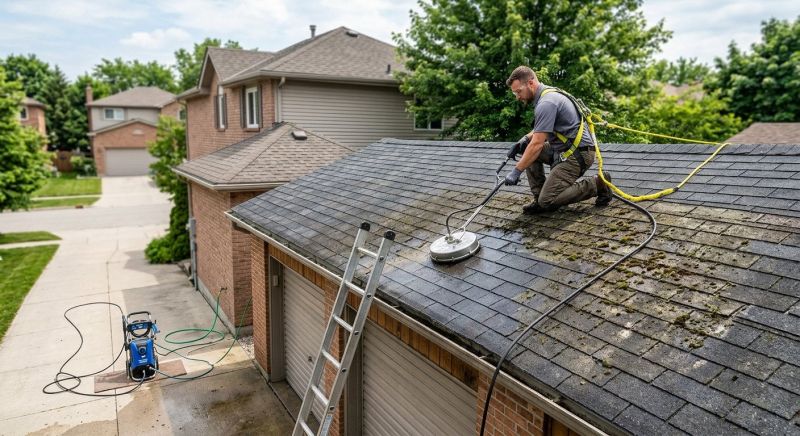
Roof Pressure Washing Questions
What is roof pressure washing? Roof pressure washing uses high-pressure water to remove dirt, moss, algae, and debris from roof surfaces, helping to restore appearance and prevent damage.
Is roof pressure washing safe for all roof types? It is suitable for most roof materials, but delicate or older roofs may require alternative cleaning methods to prevent damage.
How often should a roof be pressure washed? Typically, roofs are cleaned every 1 to 3 years, depending on local weather conditions and the presence of moss or algae buildup.
What benefits does roof pressure washing provide? It improves curb appeal, extends roof lifespan, and reduces the risk of damage caused by moss and algae growth.
Request Roof Pressure Washing in Vancouver, WA
Use the quote form on this page to share the basics of your project and request more information for the type of work you need.